

Engineers apply computer science knowledge to problem solving, and we think children can, too. For more than two decades, we’ve been partnering with PK-12 educators to bring authentic, hands-on engineering challenges into the classroom. Core to these efforts has been helping educators support students as they engage in engineering practices—the habits and behaviors engineers rely on when solving problems. One of the practices that we want educators and students to be aware of is that engineers use computer science knowledge when designing solutions.
Computer Science | Curriculum | Durable Skills | Monday, December 1
Engineering Critical Thinkers: Integrating Computer Science and Engineering
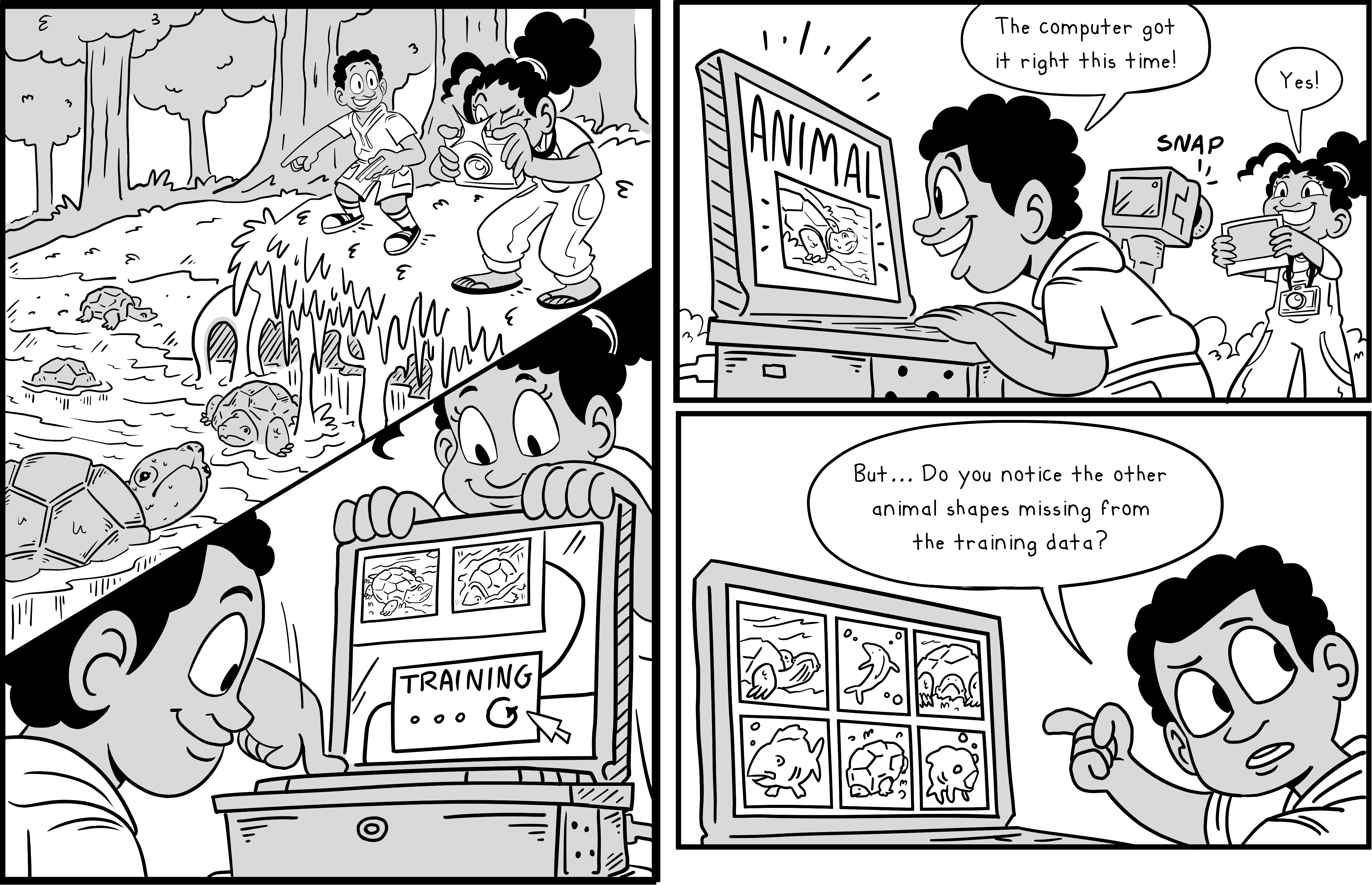
"Computers can occasionally mess up.” Hearing those words from a middle schooler feels like a small victory. Today’s middle schoolers are digital natives, but that doesn’t mean that they understand the algorithms underlying the applications that they use. Most kids trust computer output without question because, most of the time, computers are efficient, helpful, and accurate… until they aren’t.That moment of doubt—of healthy skepticism—signals something powerful: a student beginning to think critically about how computational tools work and why they behave the way they do. When students pause and consider the algorithm behind the output on their screen, we know our Youth Engineering Solutions Computer Science module achieved one of its goals.
Engineering for All | Engineering Design Process | Computer Science | EiE for Families | Museum of Science | Spanish Resources | EiE Families | English Language Learners (ELLs) | Engineering Education | STEM Activities | YES/EiE at Home | Overdeck Family Foundation | Monday, October 14
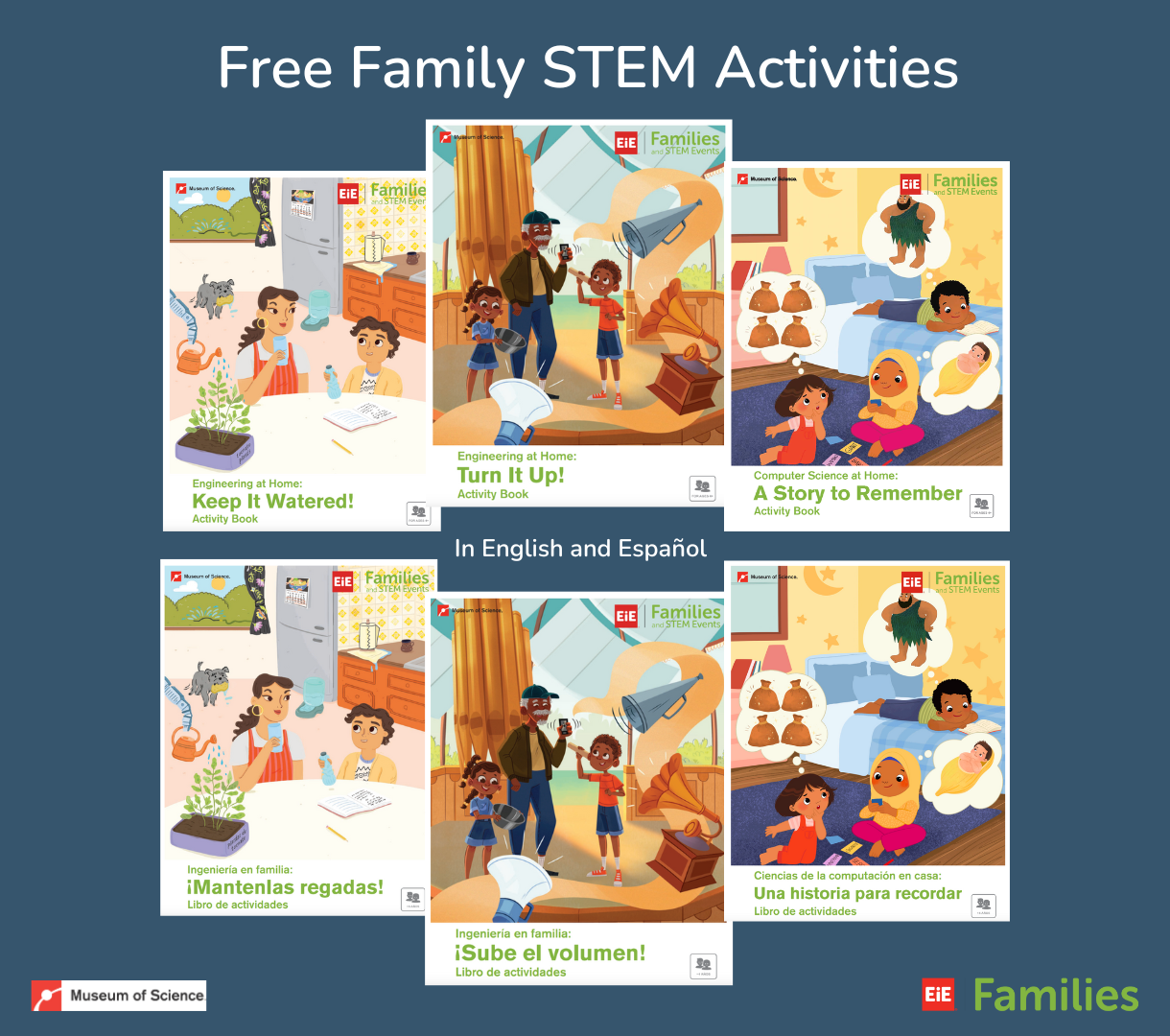
Free Family STEM Activities from EiE Families
EiE Families has released free STEM activities for families to download.
Professional Development | Computer Science | Computational Thinking | Dell Technologies | Childhood Learning | STEM Education | STEM Learning | YES Teacher Development | YES Curricula | Professional Learning | Friday, June 7
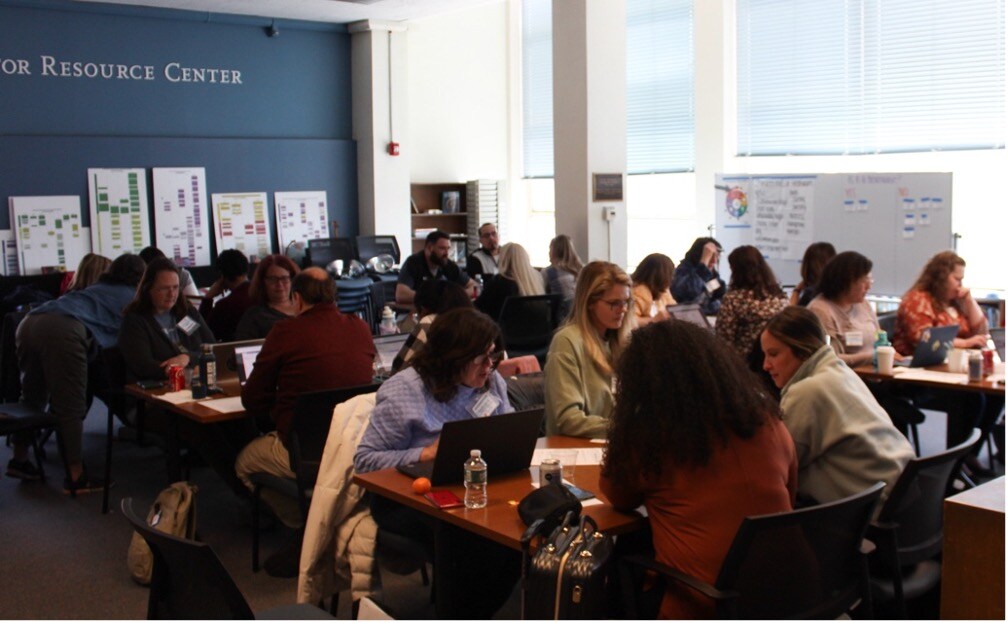
Learning to Teach Computer Science with YES Professional Learning
A two-day educator training session sponsored by Dell Technologies.

EiE Resources for Teachers | Early Childhood STEM Education | Classroom Organization | Create a Generation of Problem Solvers | Computer Science | Virtual Learning | Wednesday, May 24
How Computer Science Learning Today Prepares Students for the 21st Century
Learners who are ready to make advancements that will shape the rest of the century and beyond tend to be excited by flexible, open-ended, project-based, real-world learning situations. These types of problem-solving opportunities not only teach content skills, but instill curiosity, which is fundamental to lifelong learning, and help to develop communication and teamwork skills — as well as the freedom and responsibility that comes from taking charge of their own learning.