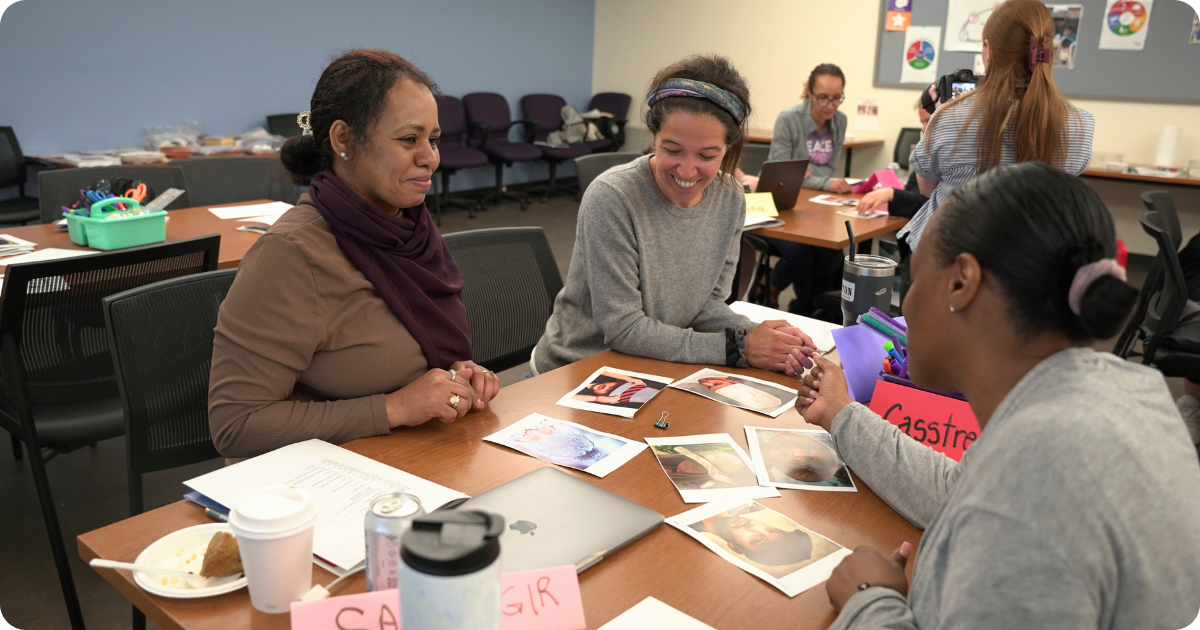


Do you remember being a kid on the first day of a new school year? Wearing new clothes, carrying fresh spiral notebooks, finding your seat with a mix of excitement and worries. What are the rules? Will other kids talk to me? What if the work in this class is too hard? What is this year going to be like?
As teachers, we try to ease those worries. We introduce the rules and routines on the first day, but a classroom culture takes more time. Before we can really teach content, we first need to create a classroom where students feel safe asking questions, working together, and learning from mistakes.
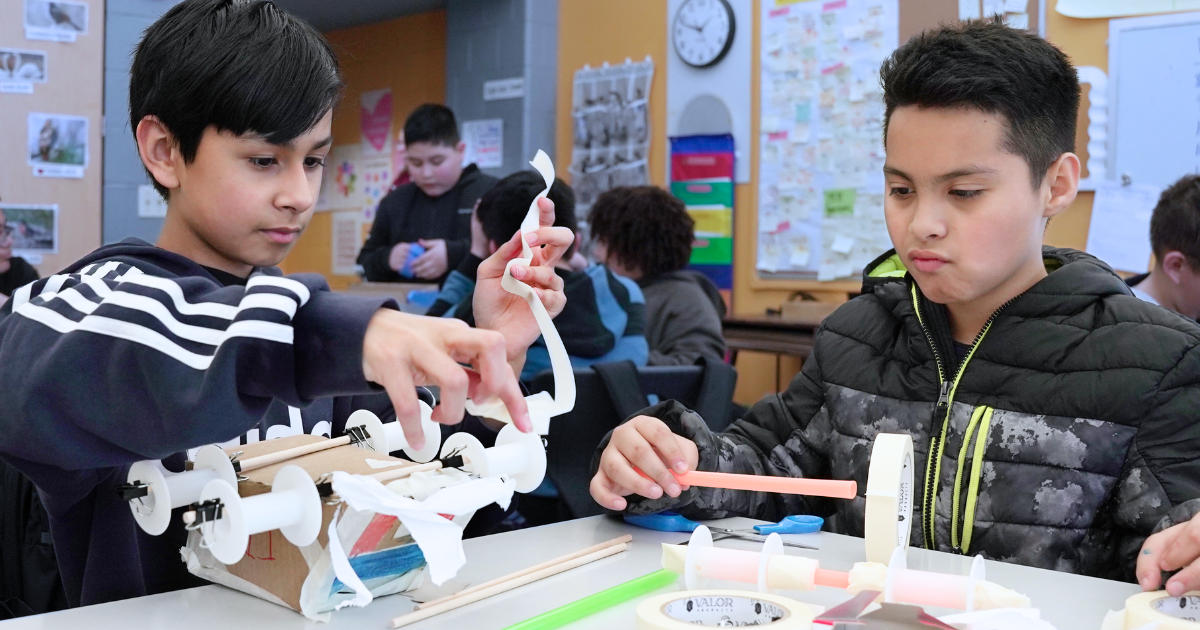
Many educators like to start the year with hands-on STEM. A YES engineering challenge is a shared experience that helps set the tone and establish how this class will work together. As students learn the Engineering Design Process, they also learn expectations and classroom norms, begin to see themselves as capable problem solvers, and give teachers valuable insight into how their new students think and behave.
Tiffany Case Ard, YES Team
Recent Posts
Create a Generation of Problem Solvers | Durable Skills | Engineering Practices | Thursday, July 30
Build Classroom Culture with Engineering Challenges
Create a Generation of Problem Solvers | Durable Skills | Engineering Practices | Monday, May 11
Engineering Practices: Envisioning Multiple Solutions
[This post is part of our series, Engineering Practices in the Classroom. See prior posts: Intro, Engineering Design Process, Exploring Materials, Problems in Context, Balancing Criteria and Constraints]
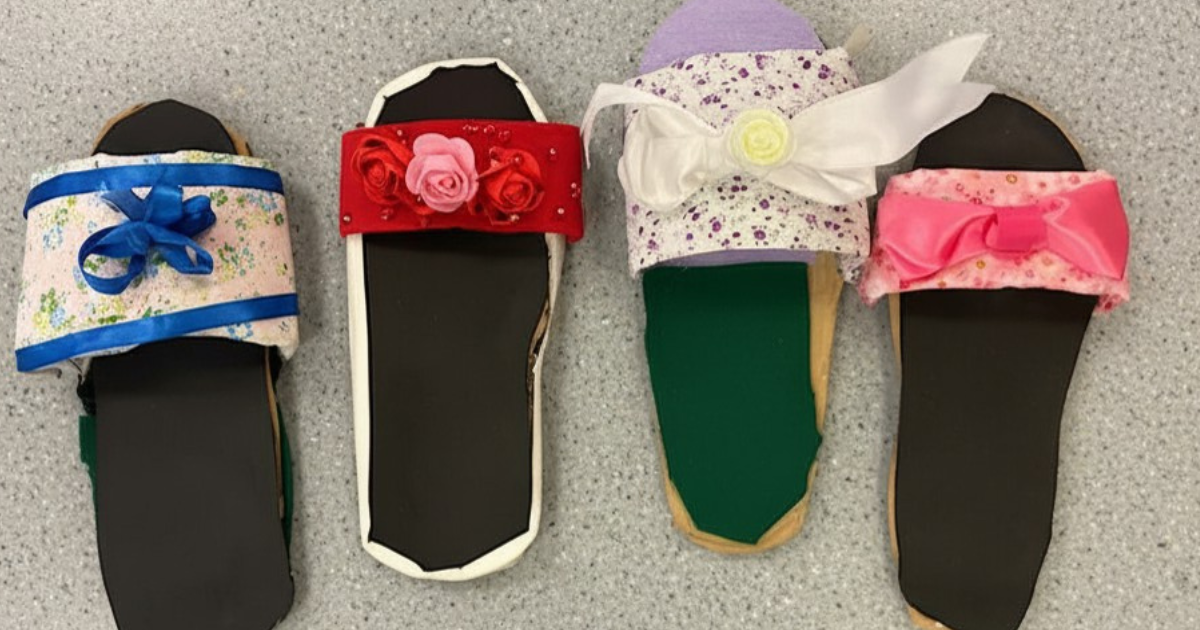
“Introducing... the slipper of the century!” a seventh grader gestures towards his teammate, who starts walking down the middle of the classroom wearing one bright red slipper with a neon-yellow strap made from scrap fabric.
The student announcer continues, “We made the Stupendous Street Slipper using recycled cellulose as a base for our outsole…”
Create a Generation of Problem Solvers | Durable Skills | Engineering Practices | Saturday, April 18
Engineering Practices: Balancing Criteria and Constraints
[This post is part of our series, Engineering Practices in the Classroom, which explores what engineering practices are, why they matter, and what they look like in real classrooms. Today, we’re focusing on the valuable practice of weighing criteria vs constraints when solving a problem.]
Three middle school students are huddled at their table, deep in thought.
“We’re at $7.75,” one student says. “So that’s under $9.00.” They all look at each other.
The medicine cooler they are designing has a maximum budget of $9.00, so there's room if they want to spend a little more to improve the design. After some discussion, they decide to add aluminum foil to the outside of the box for an extra layer of insulation.
Engineering Practices | Saturday, March 14
Engineering Practices: Considering Problems in Context
[This post is part of our series, Engineering Practices in the Classroom, which explores what engineering practices are, why they matter, and what they look like in real classrooms.]
If you walked past this second-grade classroom and heard the lively conversation, you might not guess that it was part of a new STEM engineering lesson.
The teacher asks a simple question, “Think about when you go to sleep at night. Do you like the room to be very dark? Or do you prefer to sleep in a room with a lot of light?"
Hands go up.
“I like it SUPER dark in my room,” says Mateo. “I close the door and even a tiny light annoys me and I can’t sleep.”
“My brother sleeps with a big dinosaur nightlight,” adds Sofia. “I like some light, but it is way too bright.”
“I like the lights off so it’s kind of dark, but with maybe the hall light on,” says Jordan. “So in-between.”
Create a Generation of Problem Solvers | Durable Skills | Engineering Practices | Saturday, March 14
Engineering Practices: Exploring Materials
[This post is part of our series, Engineering Practices in the Classroom, which explores what engineering practices are, why they matter, and what they look like in real classrooms. Today, we’re focusing on another core engineering practice: exploring the properties and uses of materials to inform design decisions.]
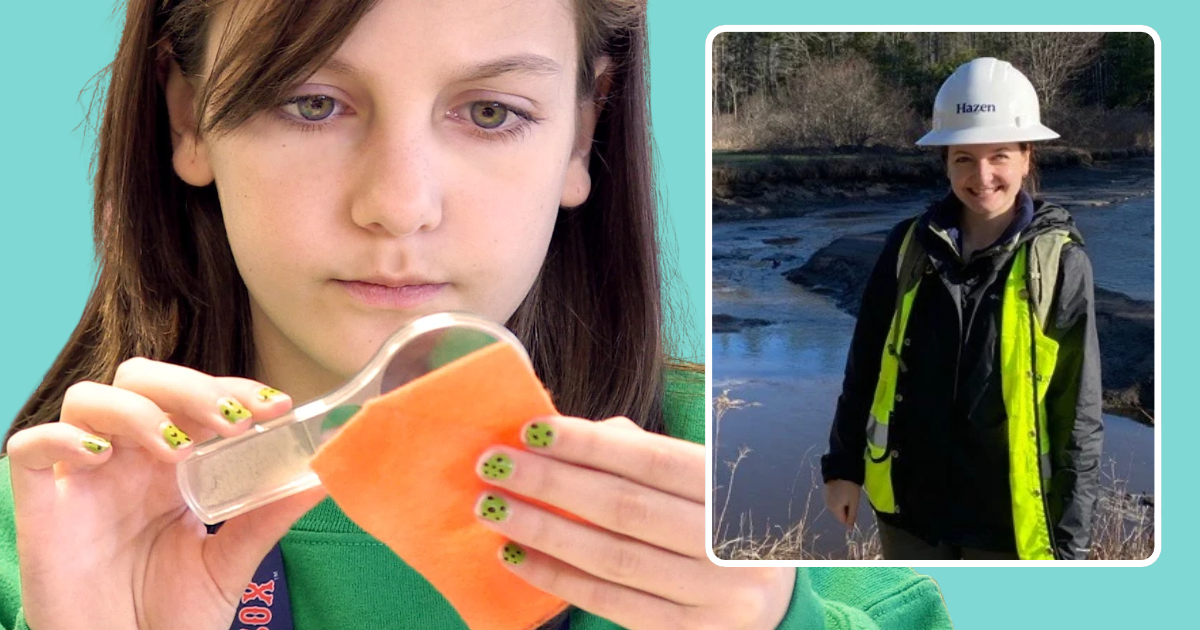
Everything humans have ever made—from the earliest stone tools to running shoes and satellites—depended on choosing the right materials. Engineers spend a lot of time exploring how materials behave so they can match those properties to a specific goal. Bridges must be made of materials that are strong and durable. A raincoat needs something flexible and waterproof.